Short answer: Attach a photo of your real dish and start with "a food photograph of the dish from the reference photo, kept exactly as it is: the same food, plate, colours and toppings". Then describe only the set: the surface, the angle ("seen directly from above" or "a low three-quarter angle"), the light ("soft window light from the left"), two or three colours, and "no readable text, labels or logos". Finish with the aspect ratio, 4:5 for an Instagram feed.
A phone photo of a plate under kitchen light rarely makes anyone hungry. An AI model can give the same dish a proper set, a good angle and window light in seconds. The trick is to let it change everything around the food and nothing on the plate: people order what they see, and a menu picture of a dish you do not serve is a disappointment waiting to happen.
How do you choose the angle, light and mood?
The food decides, not the model:
| Food | Angle | Light and mood |
|---|---|---|
| Flat food: pizza, bread, bowls of salad, coffee | Directly from above | Soft window light, light and airy |
| Tall or layered: burgers, cakes, ramen | Low three-quarter, close to the table | Side or back light, often dark and moody |
| Drinks | Straight on, at glass height | Bright studio light, a coloured backdrop |
| Ingredients, markets | Slightly above, across the scene | Overcast daylight, natural colours |
Dark backgrounds make steam visible and chocolate glossy; light backgrounds suit breakfasts, coffee and anything fresh.
Food photography prompts to copy
All of these are in Prompt Gallery, written for a reference photo of your own dish. With no photo, the model draws the dish in curly braces instead.
Bread, from above (Nano Banana, Flux, Midjourney, Imagen):
A top-down food photograph of the bake from the reference photo, kept exactly as it is: the same shape, crust, colour and toppings (no photo? use {a freshly baked round sourdough loaf with a deep golden, blistered crust and one open ear along its score}), resting on a crumpled natural linen cloth on a dark wooden table, a dusting of flour around it, a bread knife and a small dish of butter at the edge of the frame. Seen directly from above. Photorealistic food photography, soft window light from the left, warm brown, cream and charcoal palette. No people, no hands, no packaging, No readable text, signage, labels or numbers anywhere in frame, no watermark, no logos. Aspect ratio 4:5. Keep it original: do not depict any celebrity or real public figure, and do not copy any existing painting, artwork, film or game character, mascot, logo or trademarked design.Ramen with steam (Nano Banana, Flux, Midjourney, Imagen):
A food photograph of the dish from the reference photo, kept exactly as it is: the same food, bowl or plate, colours and toppings (no photo? use {a deep ceramic bowl of ramen: rich glossy broth, a halved soft-boiled egg with a jammy orange yolk, slices of chashu pork, spring onions, a sheet of nori and wavy noodles lifted slightly by chopsticks resting on the rim}). Steam rises visibly against a dark background. Seen from a low three-quarter angle close to the table. Photorealistic, warm side light, deep black palette around the dish's own colours, shallow depth of field. No people, no menus, No readable text, signage, labels or numbers anywhere in frame, no watermark, no logos. Aspect ratio 4:5. Keep it original: do not depict any celebrity or real public figure, and do not copy any existing painting, artwork, film or game character, mascot, logo or trademarked design.Drink with a splash (Nano Banana, Flux, Midjourney, Imagen):
A studio drink photograph of the drink from the reference photo, kept exactly as it is: the same glass, colour and garnish (no photo? use {a tall clear glass of sparkling orange drink with ice, a slice of blood orange and a sprig of mint}), caught at the moment a slice of its garnish drops in and throws a crown of droplets frozen in mid-air. Condensation beads on the glass. Seen straight on at glass height against a smooth bright coral backdrop. Photorealistic high-speed product photography, crisp bright studio light, bright coral palette around the drink's own colours. No people, no bottles with labels, No readable text, signage, labels or numbers anywhere in frame, no watermark, no logos. Aspect ratio 4:5. Keep it original: do not depict any celebrity or real public figure, and do not copy any existing painting, artwork, film or game character, mascot, logo or trademarked design.Cake, dark and moody (Nano Banana, Flux, Midjourney, Imagen):
A food photograph of the dessert from the reference photo, kept exactly as it is: the same shape, layers, colours and toppings (no photo? use {a single slice of dark chocolate layer cake, glossy ganache dripping down its side, a few fresh raspberries and a light dusting of cocoa powder}), on a matte black plate with a vintage fork resting beside it. The background is deep and dark with a hint of a linen napkin. Seen from a low three-quarter angle. Photorealistic dark-mood food photography, a single soft light from behind and to the side, deep brown and black palette around the dessert's own colours. No people, No readable text, signage, labels or numbers anywhere in frame, no watermark, no logos. Aspect ratio 4:5. Keep it original: do not depict any celebrity or real public figure, and do not copy any existing painting, artwork, film or game character, mascot, logo or trademarked design.The gallery also has latte art on a marble café table, from above, and a farmers market stall full of produce.
How do you get steam, splashes and drips to look real?
Describe the moment, not the effect. "Steam rises visibly against a dark background" works because steam is only visible against something dark; on a white backdrop it disappears. For a splash, say what causes it and that it is frozen: "a slice of its garnish drops in and throws a crown of droplets frozen in mid-air", plus "high-speed product photography". For sauces: "glossy ganache dripping down its side". Each of these is something a camera could catch, so the model knows what it should look like.
Why ask for no text and no labels?
Because models still write labels badly, and the labels they do write well are someone else's. A bottle, a cup or a packet in the frame tends to come back with half-readable letters or a near copy of a real brand. "No readable text, signage, labels or numbers anywhere in frame" keeps the picture clean, and you add your own menu text later in a design app.
Can you use these pictures on a menu?
Use them for your own dishes, from your own photos, and keep the food as it really is: the same portion, the same toppings, the same plate. Changing the set, the light and the angle is what a food photographer does too. Making the portion bigger or adding toppings you do not serve is not.
Where can you check this?
Where can you find more food photography prompts?
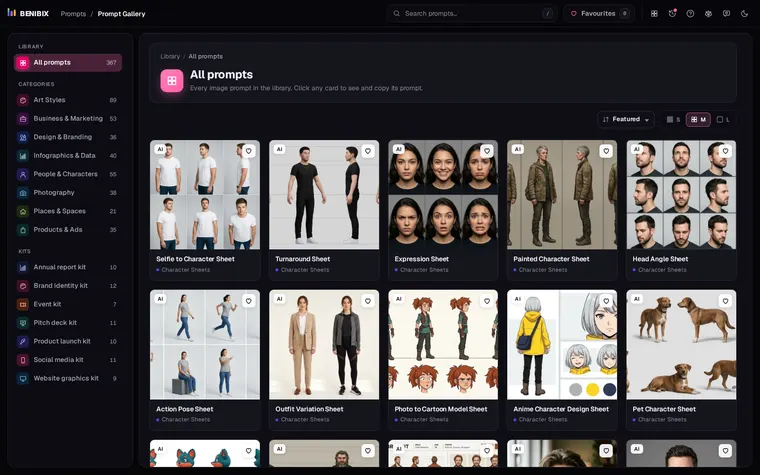
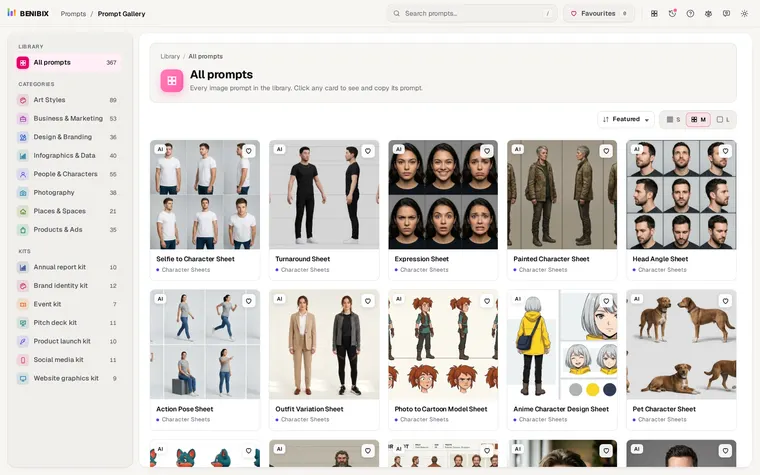
Prompt Gallery has these six food and drink prompts and two more (a neon food commercial and a pro shoot from your own phone photo) with their results. Open one and use Customize to add your details and pick one of five aspect ratios before you copy it.