Short answer: For merch, describe the object, the surface and the light, then put your brand name in quotes and say "the only words in the image are exactly ..., spell every word exactly as written". For your own design on a product or screen, attach the artwork and say "apply the supplied flat artwork" or "place the image from the reference onto the phone screen", plus how it is held or where it stands. Editing models (Nano Banana, Flux Kontext, Seedream) place a real design best.
Mockup templates cost money, need Photoshop and look like the same three templates everyone uses. An image model makes a fresh scene for your design in seconds. The two classic failures are misspelled brand names and a design that floats on the object instead of sitting in it; both have a fix in the prompt.
Two kinds of mockup prompts
| You have | Prompt type | Example |
|---|---|---|
| A brand name and colours | Text-to-image with placeholders | "[Your Brand]" printed small in white across the left chest |
| A finished design file | Edit with the design attached | Place the image from the reference onto a smartphone screen |
The first is quick for an idea; the second shows your real artwork.
Mockup prompts to copy
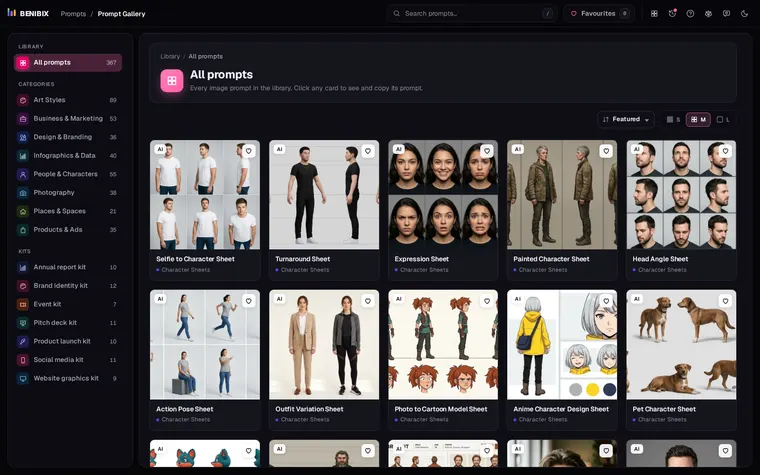
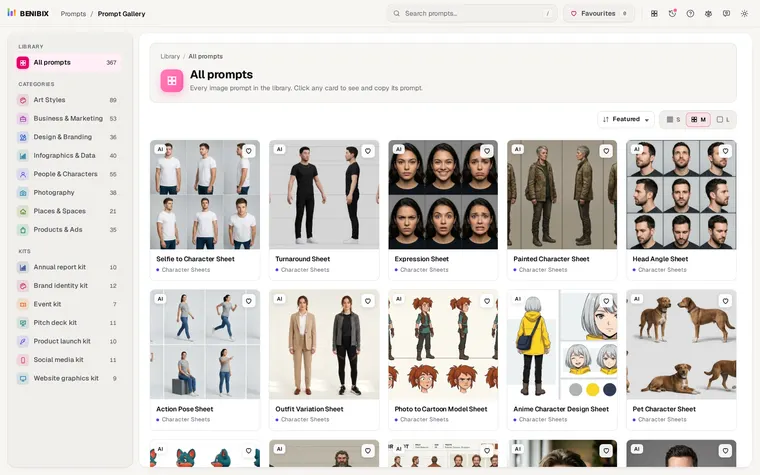
All of these are in Prompt Gallery. Replace the words in quotes and the [placeholders] with your own.
T-shirt laid flat (Nano Banana, GPT Image, Ideogram, Imagen):
A top-down photograph of a folded-flat cotton t-shirt in [primary brand colour] on a light wooden surface, with the brand name "[Your Brand]" printed small in white across the left chest. Realistic fabric texture and soft folds, soft even daylight. Text: the only words in the image are exactly "[Your Brand]". Spell every word exactly as written, in a clean [heading font] typeface, large enough to read on a phone. No other words, letters or numbers, no placeholder text, no watermark. Aspect ratio 4:5. Keep it original: do not depict any celebrity or real public figure, and do not copy any existing painting, artwork, film or game character, mascot, logo or trademarked design.Branded mug on a desk (Nano Banana, GPT Image, Ideogram, Imagen):
A photograph of a matte ceramic mug in [primary brand colour] with "[Your Brand]" printed in white on its side, steam rising from coffee inside, on a desk beside an open notebook and a pen. Close three-quarter view, shallow depth of field, soft morning window light. Text: the only words in the image are exactly "[Your Brand]". Spell every word exactly as written, in a clean [heading font] typeface, large enough to read on a phone. No other words, letters or numbers, no placeholder text, no watermark. Aspect ratio 1:1. Keep it original: do not depict any celebrity or real public figure, and do not copy any existing painting, artwork, film or game character, mascot, logo or trademarked design.Tote bag on a shoulder (Nano Banana, GPT Image, Ideogram, Imagen):
A photograph of a natural canvas tote bag hanging from the shoulder of a fictional person walking down a sunny street, the bag printed with "[Your Brand]" in [primary brand colour] and a simple [accent colour] shape. Framed on the bag and torso, the face out of frame, the street softly blurred. Photorealistic, warm daylight, realistic canvas weave. Text: the only words in the image are exactly "[Your Brand]". Spell every word exactly as written, in a clean [heading font] typeface, large enough to read on a phone. No other words, letters or numbers, no placeholder text, no watermark. Aspect ratio 4:5. Keep it original: do not depict any celebrity or real public figure, and do not copy any existing painting, artwork, film or game character, mascot, logo or trademarked design.Your artwork on packaging (Nano Banana, Flux, Seedream, Firefly):
Apply the supplied flat artwork to the blank product and photograph it as a finished packshot of the subject from the reference photo.

Form: a cylindrical bottle, the artwork wrapping around the curve. Material: uncoated matte paper stock with a slight tooth.

Artwork mapping: the design must wrap the form correctly, following every curve, crease, taper and seam. It shrinks toward the silhouette edges as the surface turns away, sits under the material's own reflections and highlights, and picks up the same light as the object it is printed on. It must not look like a flat rectangle pasted on top.

Fidelity: reproduce the artwork exactly as supplied. Do not redraw it, do not re-letter it, do not change its colours, spacing or proportions, and do not invent any additional text or logos.

Scene: a clean studio table with a plain sweep behind, a three-quarter angle, clean three-point studio lighting with a soft key, with a believable contact shadow and accurate reflections.

Output: vertical 4:5 framing, extremely sharp, print resolution, label fully legible.

Keep it original: do not depict any celebrity or real public figure other than the subject of the reference photo, and do not copy any existing painting, artwork, film or game character, mascot, logo or trademarked design.Your design on a phone screen (Nano Banana, Flux, Seedream, Firefly):
Place the image from the reference onto a smartphone screen, held in a real hand.

Grip: held in one hand, screen toward camera, the phone held upright in portrait orientation. Scene: a street scene out of focus behind the phone.

Screen fidelity: reproduce the supplied image exactly, mapped to the screen with correct perspective and a faint glass reflection. Do not redraw it, re-letter it, crop it or change its colours.

Hand: a real hand with correct anatomy, five fingers, natural grip pressure and believable skin. The phone is at a realistic size relative to the hand.

Look: 85mm portrait lens, compressed background, soft diffused daylight from a large window, shallow depth of field with the screen sharp.

Output: vertical 4:5 framing, sharp on the screen, no visible brand marks on the device.

Keep it original: do not depict any celebrity or real public figure other than the subject of the reference photo, and do not copy any existing painting, artwork, film or game character, mascot, logo or trademarked design.Business card on real paper (Nano Banana, Flux, Firefly, Seedream):
Photograph the business card design from the reference image as a styled lifestyle mockup.

Stock: thick uncoated cotton stock with a soft deckle edge and visible fibre. Cards in shot: two cards, one showing the front and one the back. Styling: styled with fresh flowers, scissors and twine on a pale timber surface. Angle: a flat top-down angle.

Design fidelity: reproduce the supplied artwork exactly, mapped onto the card with correct perspective. Do not redraw it, do not re-letter any name, address or phone number, do not change the typeface and do not invent extra elements.

Material: the card must have real thickness with a visible edge, sit with a believable contact shadow, and pick up the same light as everything around it.

Light: soft diffused daylight from a large window.

Output: horizontal 3:2 framing, extremely sharp on the card, print resolution.

Keep it original: do not depict any celebrity or real public figure other than the subject of the reference photo, and do not copy any existing painting, artwork, film or game character, mascot, logo or trademarked design.How do you get the brand name spelled right?
Keep it short, put it in quotes, and say it is the only text: the prompts above all use "the only words in the image are exactly ... no other words, letters or numbers". Name a font style ("a clean geometric sans-serif") rather than a font name. Then check it at full size: one swapped letter is easy to miss on a phone. Ideogram, GPT Image and the newest Nano Banana models are the most reliable with text.
How do you keep your design from floating?
Describe how it meets the object: "printed on the fabric, following the folds", "wrapped around the box, bending at the edges", "on the screen, under the glass reflection". And give the object a believable size and grip: a phone "held in one hand, screen toward the camera". The editing prompts in the Gallery spell those details out for you.
Where can you check this?
- Google AI for Developers: image generation and editing with Gemini, editing with reference images and text in images
- OpenAI: image generation guide, image edits and text rendering
Where are more mockups?
Prompt Gallery has the merch set (t-shirt, tote, mug, hoodie, cap, storefront sign, van wrap, stationery, style board), and its mockups set has packaging, screens, a business card, a phone case and a tattoo try-on. Open one and use Customize to fill the placeholders before you copy it. For product photos on white, see AI product photos for a shop.